








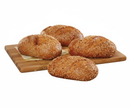
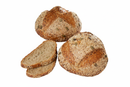





















Schrotti Bread – hearty and moist with seeds
Schrotti Bread – hearty, moist, with character
This bread needs one thing above all: time. Thanks to the baking ferment and the soaker, a strong, aromatic bread develops that still feels fresh even after several days. The seed mix provides a bite, and the whole wheat spelt flour ensures a loose crumb.
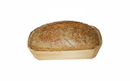
The recipe yields two loaves – either in a loaf pan or free-form.
Pre-ferment (24 hours in advance)
- 300 g whole rye flour
- 400 ml water, slightly warmer than lukewarm
- 1 tsp Sekowa baking ferment
Let the baking ferment soak in water for 5 minutes, then stir in the flour. Let the pre-ferment rest in a covered bowl at approx. 20 °C room temperature for about 24 hours.
Soaker (at least 10, preferably 15 hours in advance)
- 75 g whole rye meal
- 150 ml warm water
Stir the meal and water in a separate bowl and let it soak for at least 10 hours, preferably 15 hours.
Main Dough
- Prepared pre-ferment
- Prepared soaker
- 700 g whole spelt flour
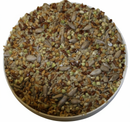
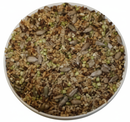
- 175 g 6-seed mix
- 40 g rye malt (coloring malt)
- 25 g sea salt
- 340 ml water (add gradually)
Add all ingredients to the pre-ferment and knead well. Incorporate the water gradually. Cover the dough and let it rest in a warm place for about 15 minutes – after this resting period, visible fermentation activity should be apparent.
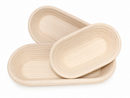
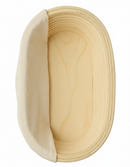
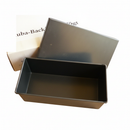
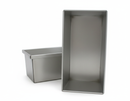
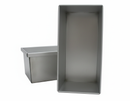
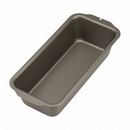
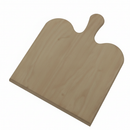
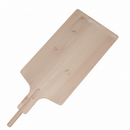
Divide the dough into two parts – for those who want to weigh: about 1,100 g each – round and shape them into oblongs. Place them in loaf pans or on a baker's peel for free-form baking.
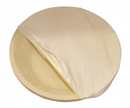
Proofing: At 20–22 °C room temperature for about 30 minutes, lightly moistened and covered with a kitchen towel (three-quarters proof).
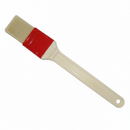
Before loading into the oven, brush or spray the dough pieces well with water again. Bake at 240 °C – after 5 minutes, reduce the temperature to 210 °C and bake for another 55 minutes.
Brush or spray the freshly baked loaves with water directly from the oven and let them cool completely on a wire rack.
The bread should rest for at least one day after baking before being sliced – the crumb will firm up, and the aroma will fully develop.